Introduction
The healthcare industry has undergone a massive revolution, and this can be attributed to the constant advancement in technology and changing demographics. The world’s population is growing older, and there is now an increased demand for healthcare services. At the same time, there is a need to reduce costs and enhance the quality of care provided.
The revolution in global healthcare has led to significant changes in how healthcare services are delivered. Traditional models of healthcare delivery are transforming into more patient-centric approaches with the use of technological advancements in Global healthcare innovation such as telemedicine, electronic health records, and artificial intelligence.
Entrepreneurship in healthcare is also booming, with startups addressing global healthcare challenges faced by many countries worldwide. These startups are focused on developing innovative solutions such as wearable devices, mobile health apps, and personalized medicine.
Overall, the Global healthcare innovation industry is now more connected and data-driven, with the potential to transform lives and health outcomes worldwide.
Global Healthcare Innovation
The revolution in global healthcare innovation has improved patient care by ensuring that individuals get the treatment they need quickly and efficiently. This has generated a keen interest in Global Healthcare Innovation among the young scientists and investors, embarking their focus on innovation, leading to change in the mortar and pestle system of healthcare. Global Healthcare Innovation has also reduced costs while increasing accessibility to healthcare for people living in remote areas or those with limited resources.
Following are the 12 best Global Healthcare innovations that has upscaled the global healthcare revolution:
1. Telemedicine–Global Healthcare Innovation
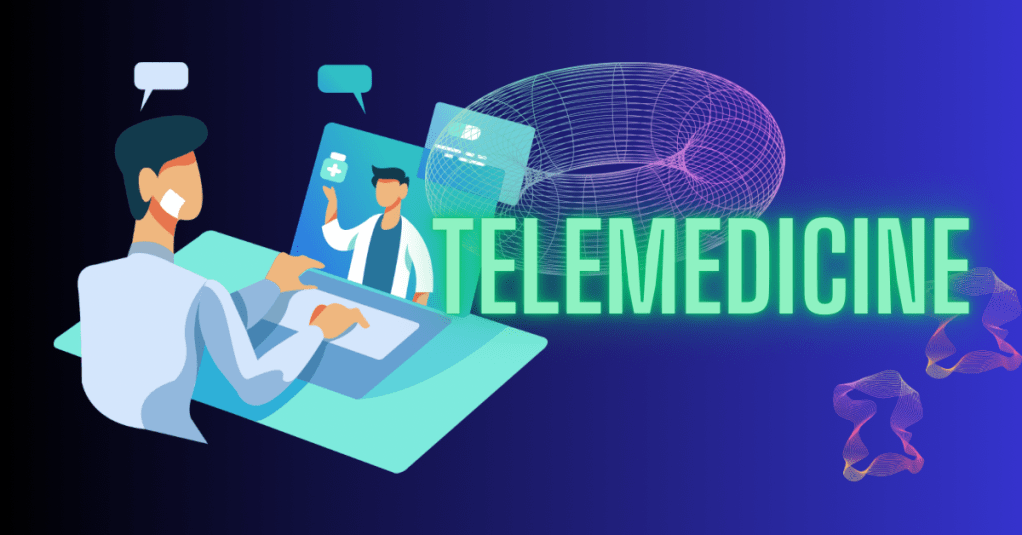
Telemedicine is among the most commonly used technology under Global Healthcare Innovation that allows doctors to connect with patients from remote locations, making healthcare more accessible to people in rural and underdeveloped areas.
2. Robotics and AI
Robotics and AI forms one of the biggest Global Healthcare Innovations that are being used for precision surgeries and accelerating drug discovery. These technologies are also used in developing virtual medical assistants that can provide real-time information to patients and can even predict medical conditions.
3. 3D printing- Global Healthcare Innovation

3D printing technology is one of the Global Healthcare Innovation that is being used in the healthcare industry to create customized medical devices, prosthetics, and parts for surgical procedures. This technology has revolutionized the manufacturing process of medical devices and has made them much more affordable.
4. Wearable devices
Wearable technology under Global Healthcare Innovation such as smartwatches and fitness trackers are being embedded in medical devices to monitor vital signs and collect real-time data for monitoring and treatment purposes. This data is used to create more personalised healthcare regimes and can help doctors make more informed decisions
5. Artificial Intelligence (AI)
AI is revolutionising the healthcare industry in many ways. AI algorithms are being used to improve diagnoses, predict disease progression, and develop targeted treatments. Some of the most significant areas of impact include:
Medical Imaging
Medical Imaging as Global Healthcare Innovation uses AI algorithms that can analyze medical images like X-rays, CT scans, and MRIs to detect abnormalities and help radiologists make faster and more accurate diagnoses.
Patient Monitoring
Patient Monitoring as Global Healthcare Innovation is an AI-powered wearable that can monitor vital signs like heart rate and blood pressure, alerting healthcare providers to potential issues before they become serious.
Drug Discovery
Drug discovery as Global Healthcare Innovation uses AI to identify new drug candidates and predict their potential efficacy and side effects, helping to speed up the drug development process.
Personalized Medicine
As Global Healthcare Innovation, AI can analyze patient data to develop personalized treatment plans based on individual characteristics like genetics and medical history.
Overall, AI is helping to improve the accuracy, speed, and efficiency of healthcare, potentially saving lives and reducing healthcare costs.
6.CRISPR Gene Editing- Global Healthcare Innovation
CRISPR Gene Editing is a Global Healthcare Innovation having potential to revolutionize healthcare by enabling scientists and doctors to edit genes associated with genetic disorders, such as cystic fibrosis or sickle cell anemia. It can also be used to develop more effective treatments for cancer and other diseases. However, there are also ethical concerns surrounding the use of CRISPR gene editing, such as potential unintended consequences or the creation of designer babies. It is important to carefully consider these issues before fully embracing this technology.
7. Virtual Reality (VR)
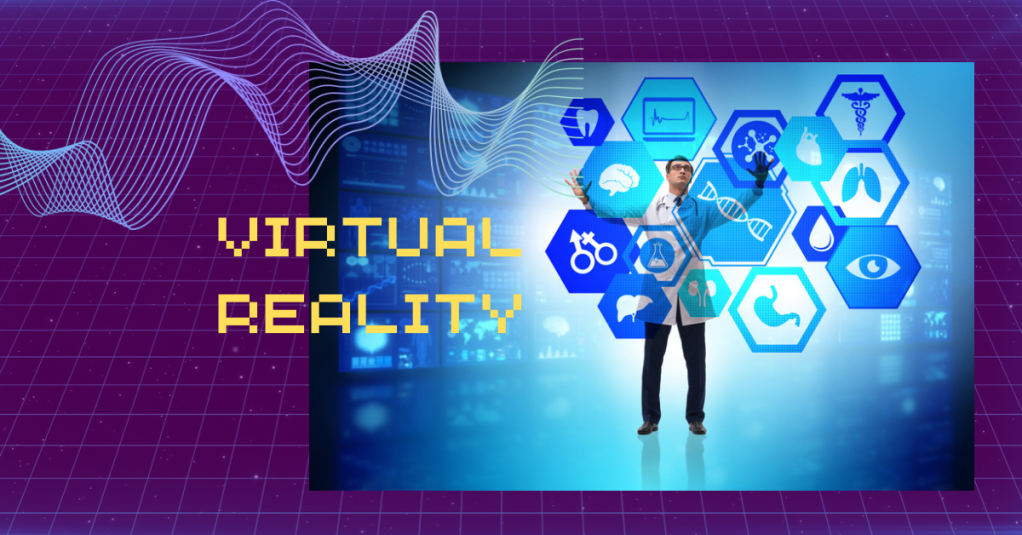
Virtual Reality (VR) is indeed revolutionizing the healthcare industry and is a Global Healthcare Innovation. It has proven to be a potent tool for diagnosis, therapy, and training.
In diagnosis, VR technology is used to simulate different medical conditions that can help doctors understand the etiology of particular illnesses or diseases. It can also assist in visualizing internal organs and body parts, which can help identify potential issues that may need further attention.
In therapy, VR technology has shown immense potential in managing pain, phobias, and mental health disorders. Patients with chronic pain can engage in immersive experiences that distract them from their pain, and thus, reduce the need for medication. Similarly, phobic patients can leverage simulations that desensitize them to their fears gradually. In mental health, VR technology can help in exposure therapy, where patients can be gradually exposed to the stimuli that trigger their anxiety or panic attacks.
Finally, VR technology can also be leveraged for training healthcare professionals.
8. Smart Bandages– Global Healthcare Innovation
Smart Bandages are considered a revolution in healthcare as they have the potential to drastically improve patient care and treatment outcomes. Smart bandages as Global Healthcare Innovation are equipped with sensors that can detect changes in the wound’s temperature, moisture, and pH levels. This information is transmitted wirelessly to a medical professional who can monitor the wound’s healing progress remotely, identify any signs of infection, and adjust the treatment plan accordingly.
Additionally, smart bandages may be able to release medication or other wound-healing therapies directly to the wound site, further enhancing the healing process. Overall, smart bandages have the potential to streamline patient care, reduce treatment costs, and improve outcomes for patients with chronic wounds or other complex medical conditions.
9. The Internet of Medical Things (IoMT)
IoMT is definitely revolutionizing healthcare. IoMT is a Global Healthcare Innovation system of medical devices and applications connected to healthcare IT systems through online computer networks. It allows for more accurate and efficient monitoring and management of patient health, as well as improved communication between healthcare providers and patients.
By harnessing the power of technology, IoMT has the potential to improve the speed and accuracy of diagnosis, reduce treatment costs, and enable remote patient monitoring. This can be especially helpful for individuals with chronic conditions or those living in remote areas where access to healthcare is limited.
Overall, the IoMT represents an exciting advancement in the field of healthcare that has the potential to improve the quality of care provided to patients and lead to better patient outcomes.
10. Blockchain technology- Global Healthcare Innovation
Blockchain Technology is indeed revolutionizing the healthcare industry. Blockchain is a decentralized, distributed ledger technology of Global Healthcare Innovation that offers an immutable and secure way of recording and sharing information. In healthcare, it has the potential to transform how patient data is stored, shared, and managed.
One of the most significant advantages of blockchain technology in healthcare is its ability to ensure data privacy, security, and transparency. Patients can control their health data, ensuring that it remains secure and accessible to the right healthcare providers. Additionally, healthcare providers can share and access patient data in a secure and transparent manner, improving collaboration and quality of care.
Blockchain can also be used for drug supply chain management, clinical trial recordkeeping, fraud detection, and medical billing. Pharmaceutical companies can use blockchain to track the entire distribution chain of drugs, ensuring drug safety and reducing the risk of counterfeit drugs.
In conclusion, the adoption of blockchain technology in the healthcare industry is a game-changer. It has the potential to improve patient outcomes, reduce healthcare costs, and enhance outcome reports.
11. Cloud computing- Global Healthcare Innovation
Cloud Computing has indeed revolutionized the healthcare industry. With cloud computing, healthcare providers are able to store, access and share patient information in a secure and efficient manner. This Global Healthcare Innovation has helped in the improvement of healthcare services as well as the delivery of patient care.
Cloud computing has transformed the healthcare industry in several ways. Here are some of the ways:
Increased accessibility of patient data
Healthcare providers can easily access patient data from anywhere, at any time, regardless of their location.
Improved data security
With cloud computing, patient data is stored in a secure environment which minimises the risk of data breaches and cyber attacks.
Real-time collaboration
Healthcare providers can collaborate with each other in real-time, which helps in the quick and efficient delivery of patient care.
Cost Savings
Cloud computing reduces the need for expensive hardware and software installations as well as the maintenance of IT staff.
Overall, cloud computing has made it easier for healthcare providers to deliver quality care and improve patient outcomes.
12. Robotics- A Global Healthcare Innovation
Robotics is definitely revolutionizing the healthcare industry in many ways. With the advancement of robotics technology, more and more medical procedures are being performed with greater speed, precision, and accuracy. Robots are used to assist in surgeries, rehabilitation, and therapy, as well as for other medical applications like delivering medications, monitoring patients, and performing routine tasks. Robotics technology also enables doctors and healthcare professionals to analyze data and make better decisions based on real-time information, leading to more efficient and effective patient care. Overall, robotics technology is a Global Healthcare Innovation that proved to be a game-changer in the healthcare industry, improving outcomes for patients and enhancing the work of medical professionals.
Conclusion
The healthcare industry has undergone a significant transformation with the advent of Global Healthcare Innovation through advanced technologies, increased consumer awareness, and growing demand for personalized care. This revolution has led to the development of new and innovative treatments, improved patient outcomes, and better cost management.
One of the major drivers of this revolution is the rise of digital health technologies, such as electronic health records (EHRs), telemedicine, and remote patient monitoring. These technologies have facilitated better information-sharing among healthcare providers, improved patient access to care, and enabled more efficient care delivery.
Another important trend is the focus on patient-centered care. Healthcare providers are increasingly tailoring their treatments to the specific needs and preferences of individual patients. This approach has improved patient satisfaction and led to better outcomes.
Finally, there is a growing emphasis on preventative care and population health management. Healthcare providers are working to identify and address health risks before they turn into more serious conditions. This approach has the potential to reduce healthcare costs and improve overall health outcomes.

 Digitaholic
Leave a comment